

What is tongue coating?
Tongue coating, also known as "she tai" in Traditional Chinese Medicine (TCM), is primarily composed of shed oral mucosal cells, saliva, food debris, bacteria, and metabolic waste products, which adhere to the spaces between the papillae on the tongue's surface. It not only reflects the oral environment but also serves as an external indicator of the body's internal condition, particularly the state of digestion and fluid metabolism.
Appearance of a normal and healthy tongue coating
The tongue coating of a healthy individual is often described in TCM as "thin white coating" (薄白苔), with specific characteristics summarized as follows:
|
Characteristic |
Description |
|
Color of Tongue Coating |
Pale white or thin white, clear and clean. |
|
Thickness of Tongue Coating |
A thin layer, evenly spread over the tongue surface, allowing the pale red tongue body to be faintly visible through the coating. |
|
Moisture Level of Tongue Coating |
Moderately moist and lustrous, neither excessively slippery nor dry. |
|
Texture of Tongue Coating |
Fine and even, not coarse or sticky, easily scraped off, but a thin layer regenerates quickly. |
|
Overall Feel of the Tongue Surface |
The tongue body is soft and flexible, pale red and lustrous, with a thin white coating that appears vibrant. |
A thin white coating indicates normal digestive function, especially of the Spleen and Stomach, with abundant and smooth circulation of Qi, Blood, and Body Fluids.
How does tongue coating reflect health and digestive function?
In Traditional Chinese Medicine theory, "the tongue is the sprout of the Heart and the external manifestation of the Spleen," meaning the tongue has a close connection with the Heart, Spleen, and other Zang-fu organs. The tongue is connected to the five Zang and six Fu organs through meridians; thus, the physiological functions and pathological changes of these organs can be reflected on the tongue, especially the tongue coating.
Among these, the tongue coating is particularly closely related to the Spleen and Stomach. The Spleen governs transformation and transportation, while the Stomach governs reception and decomposition of food and water, serving as the source of Qi and Blood production, and is also responsible for fluid metabolism. If the Spleen and Stomach functions are imbalanced, leading to impaired digestive and absorption capabilities or abnormal fluid transformation, it can easily result in the stagnation of dampness, phlegm, and other pathological products. These changes are often directly reflected in the thickness, color, and texture of the tongue coating. Therefore, observing changes in the tongue coating is an important basis for TCM diagnosis of Spleen and Stomach function and for determining if there is dampness, food stagnation, or other issues in the body.
Analyzing common tongue coating issues: Causes of thick and abnormally colored tongue coating
Changes in the thickness and color of the tongue coating can have various causes. They may be related to external pathogens (such as wind, cold, summer heat, dampness, dryness, fire) or to internal factors like emotional fluctuations, improper diet, or excessive work and rest. When the body's vital energy (Zheng Qi) is insufficient, or when pathogenic factors linger, abnormalities in the tongue coating can appear.
What do 5 tongue coating colors reflect?
The color of the tongue coating is one of the important indicators for distinguishing between cold, heat, deficiency, and excess syndromes. Different colors often correspond to different body states. Below, we will discuss in detail several common abnormal tongue coating colors and the health messages they may represent.
Overview of Tongue Coating Issues and Causes
| Tongue Coating Type | Main Cause | Body Warning | How "Qushi Qing" addresses it |
|---|---|---|---|
| Thick White Coating | Cold-dampness obstructing the Spleen | Heavy body, low spirits | Radix Stephaniae Tetrandrae (Fang Ji) and Coix Seed (Yiyi Ren) work together to resolve dampness |
| Yellowish Greasy Coating | Damp-heat trapped internally | Bitter taste in mouth, sticky mouth, dark urine | Coix Seed (Yiyi Ren) clears heat, Radix Stephaniae Tetrandrae (Fang Ji) expels dampness |
| Pale White Coating | Yang deficiency with cold-dampness | Aversion to cold, cold limbs, lethargy | Astragalus (Huang Qi) and Lingzhi (Reishi Mushroom) warm and strengthen vital energy |
| Black/Gray Coating | Accumulation of cold-dampness | More severe condition, requires professional diagnosis | Astragalus (Huang Qi) and Lingzhi (Reishi Mushroom) support vital energy |
| No Coating | Spleen and Stomach deficiency | Poor appetite, fatigue, lack of strength | Astragalus (Huang Qi) and Lingzhi (Reishi Mushroom) tonify Spleen Qi |
No tongue coating: A warning of Spleen and Stomach deficiency
A smooth tongue surface with no coating, or only a minimal amount, is called "bald tongue" or "no coating" in TCM. This situation is often seen in cases of Spleen and Stomach Qi and Yin deficiency, or chronic illness leading to depletion of Qi and Blood, and a lack of Stomach Qi. Patients may also experience symptoms such as poor appetite, abdominal distension, fatigue, and dry mouth. If the tongue body is pale white with no coating, it tends to indicate Qi and Blood deficiency; if the tongue body is red with no coating, it tends to indicate Yin deficiency with internal heat.
Thick white tongue coating: A sign of heavy internal dampness
A thick, white, and greasy tongue coating, like a layer of powder that is difficult to scrape off, is a typical manifestation of dampness evil lingering in the body. If the white coating is thick, greasy, and moist, it mostly indicates cold-dampness trapping the Spleen; if the white coating is thick, greasy, and dry, it may indicate damp turbidity transforming into heat. Individuals with heavy dampness often feel a heavy body, a foggy head, low spirits, poor appetite, and sticky, unsatisfactory bowel movements.
Yellowish greasy tongue coating: Beware of damp-heat trapped internally
A tongue coating that is yellowish in color, sticky, and not clean, and cannot be scraped off, is a manifestation of intertwined "damp-heat." Yellow color represents heat evil, and a greasy coating represents damp turbidity. Damp-heat accumulation disrupts digestive function. Patients may also experience a bitter and sticky taste in the mouth, chest tightness, poor appetite, nausea, dark yellow urine, and constipation or foul-smelling stools. The darker the yellow color, the heavier the heat; the more greasy the coating, the stronger the dampness.
Black or gray tongue coating: Accumulation of cold-dampness
A tongue coating that appears black or dark gray indicates a more severe or complex condition. A gray coating often evolves from a white coating and can be seen in cases of internal cold-dampness or phlegm-fluid retention. A black coating is even more severe and can be seen in extreme cold, extreme heat, or chronic severe illness. If the black coating is moist and slippery, it mostly belongs to internal accumulation of Yang deficiency cold-dampness; if the black coating is dry, it belongs to extreme heat consuming body fluids or Yin deficiency with internal fire. If such a tongue coating appears, professional diagnosis should be sought promptly.
Pale white tongue coating: Yang deficiency with cold-dampness, Spleen and Stomach deficiency
This refers to a thin, white tongue coating, but the tongue body color is pale white, lacking blood color. This usually suggests insufficient Qi and Blood, and weak Yang Qi, which fails to nourish the tongue body. If it also feels slippery, it may indicate internal cold-dampness retention. Patients may also experience symptoms of Yang deficiency or Qi and Blood deficiency, such as aversion to cold, cold limbs, pale complexion, and lethargy.
Do cracks in the tongue coating indicate Spleen deficiency? How to adjust diet?
Cracks in the tongue coating or surface are called "fissured tongue" in TCM. There are many causes, and it is not necessarily solely due to Spleen deficiency.
- Congenital factors: Some people naturally have cracks on their tongue surface; if there is no discomfort, it is generally not considered pathological.
- Yin fluid deficiency: Excessive heat consuming Yin fluids, or prolonged illness depleting Yin fluids, can lead to lack of nourishment for the tongue body, resulting in cracks, and the tongue color tends to be red.
- Spleen and Stomach deficiency: Spleen deficiency with abundant dampness, insufficient Qi and Blood generation, and lack of nourishment for the tongue body can also lead to cracks, and the tongue color is often pale.
- Blood deficiency: Insufficient营血 (Ying-Blood) fails to nourish the tongue surface.
If a fissured tongue is accompanied by symptoms of Spleen deficiency, such as poor appetite, abdominal distension, loose stools, yellow complexion, and body fatigue, then strengthening the Spleen and boosting Qi is necessary. Dietary adjustments should be based on the specific syndrome. In general, a light and easily digestible diet is recommended, avoiding spicy, stimulating, cold, raw, and greasy foods.
- If it is Yin deficiency: Consume appropriate amounts of Yin-nourishing and fluid-generating foods, such as Adenophora Root (Sha Shen), Solomon's Seal (Yu Zhu), and Lily Bulb (Bai He).
- If it is Spleen deficiency: Consume appropriate amounts of Spleen-strengthening and Qi-boosting foods, such as Chinese Yam (Huai Shan), Poria (Fu Ling), Codonopsis (Dang Shen), and Atractylodes Macrocephala (Bai Zhu).

Don't want to see thick white tongue coating again? "Qushi Qing" helps you regulate internally and externally
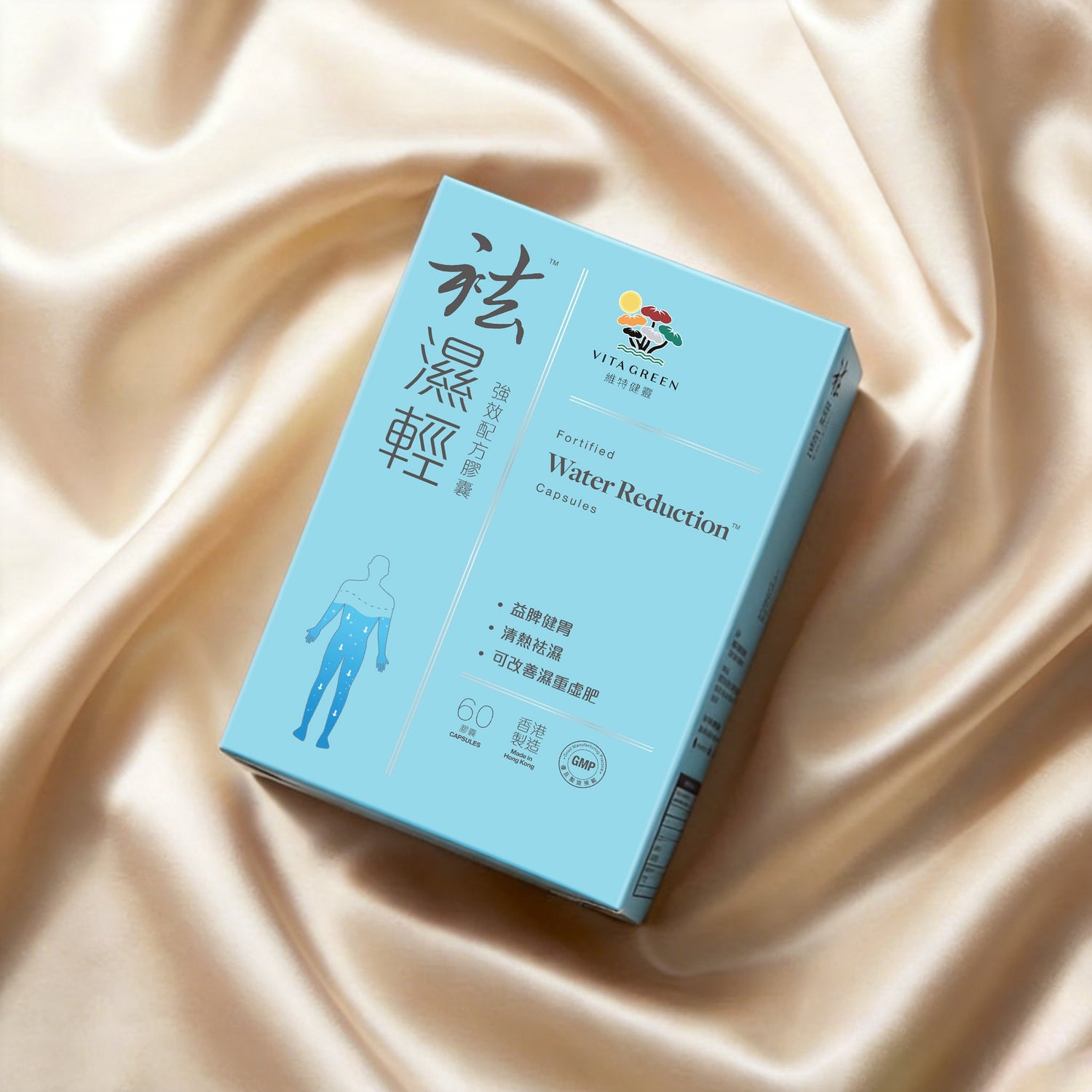
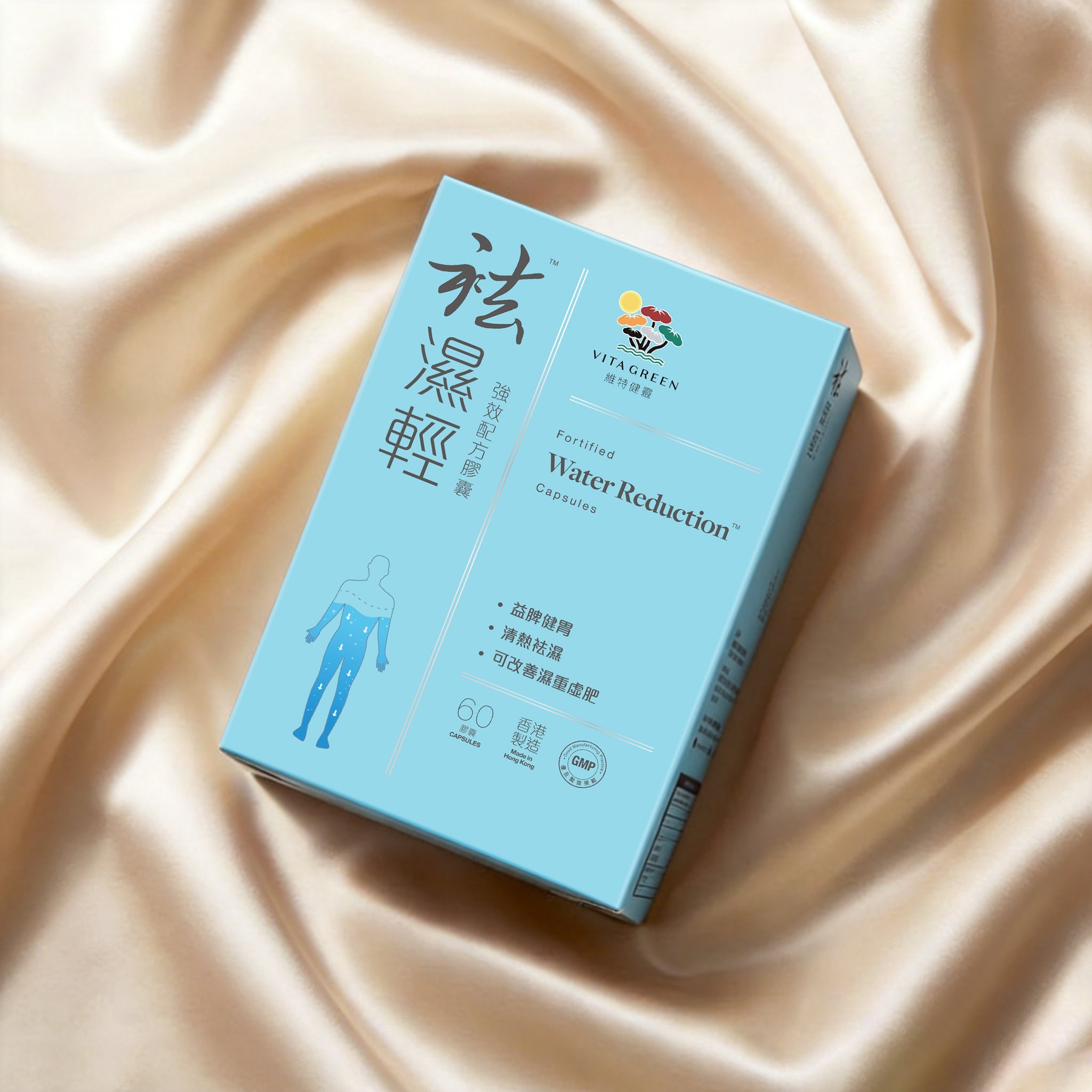
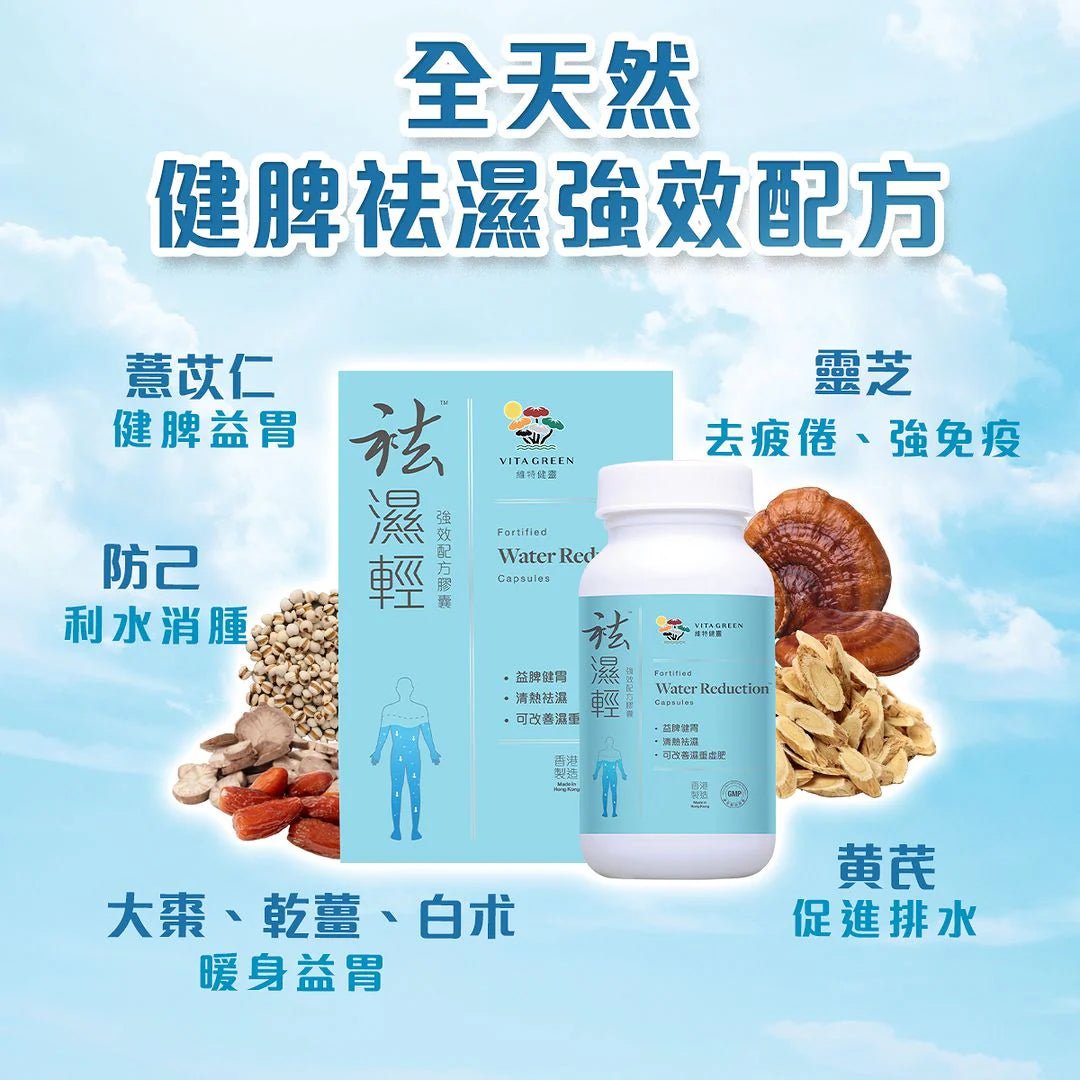
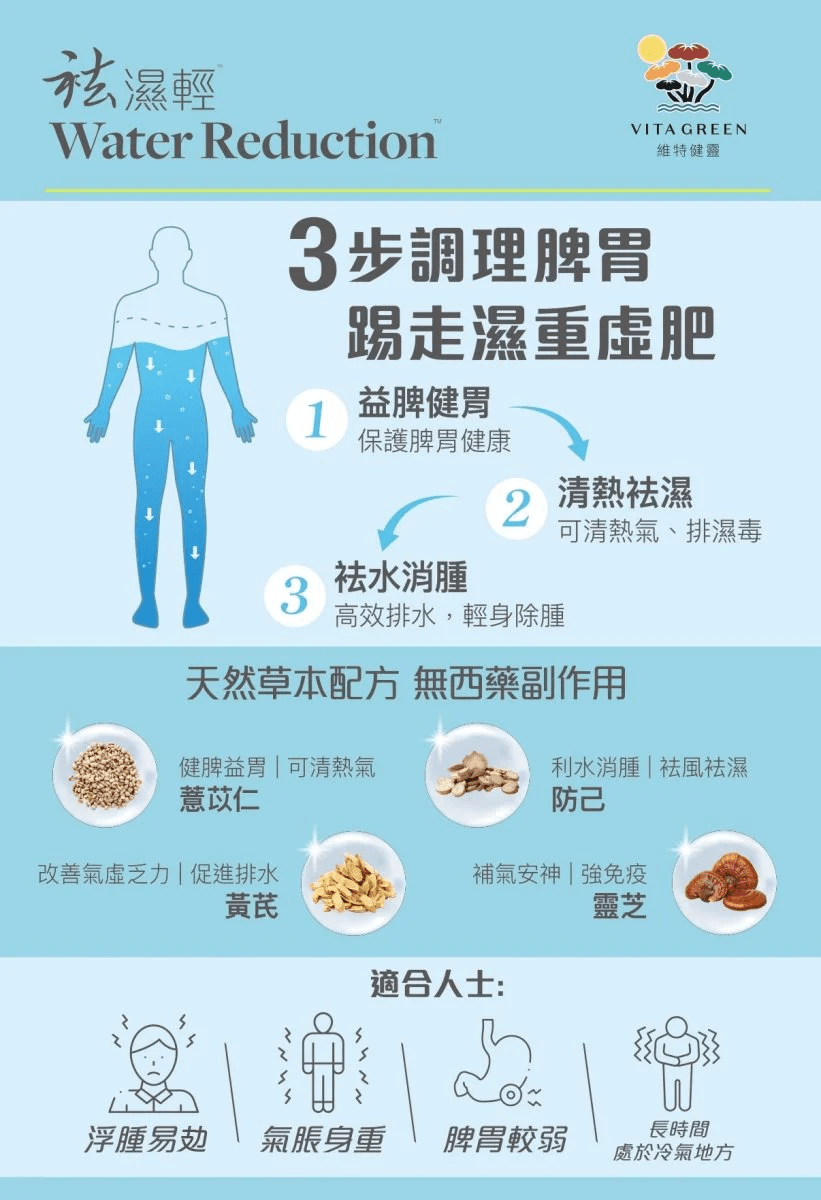
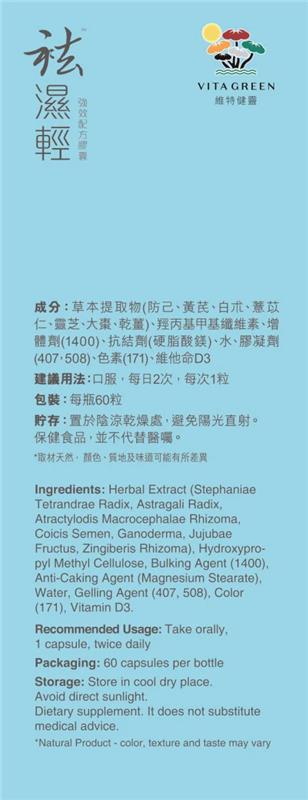
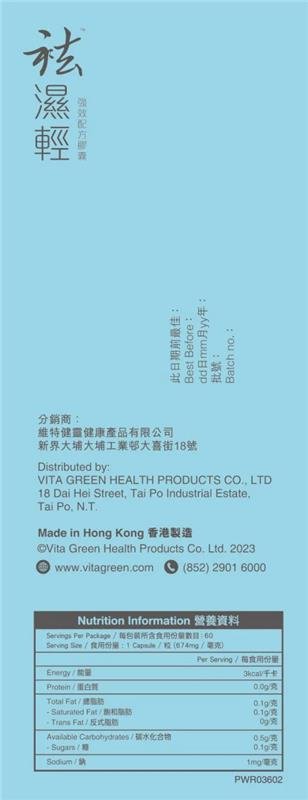
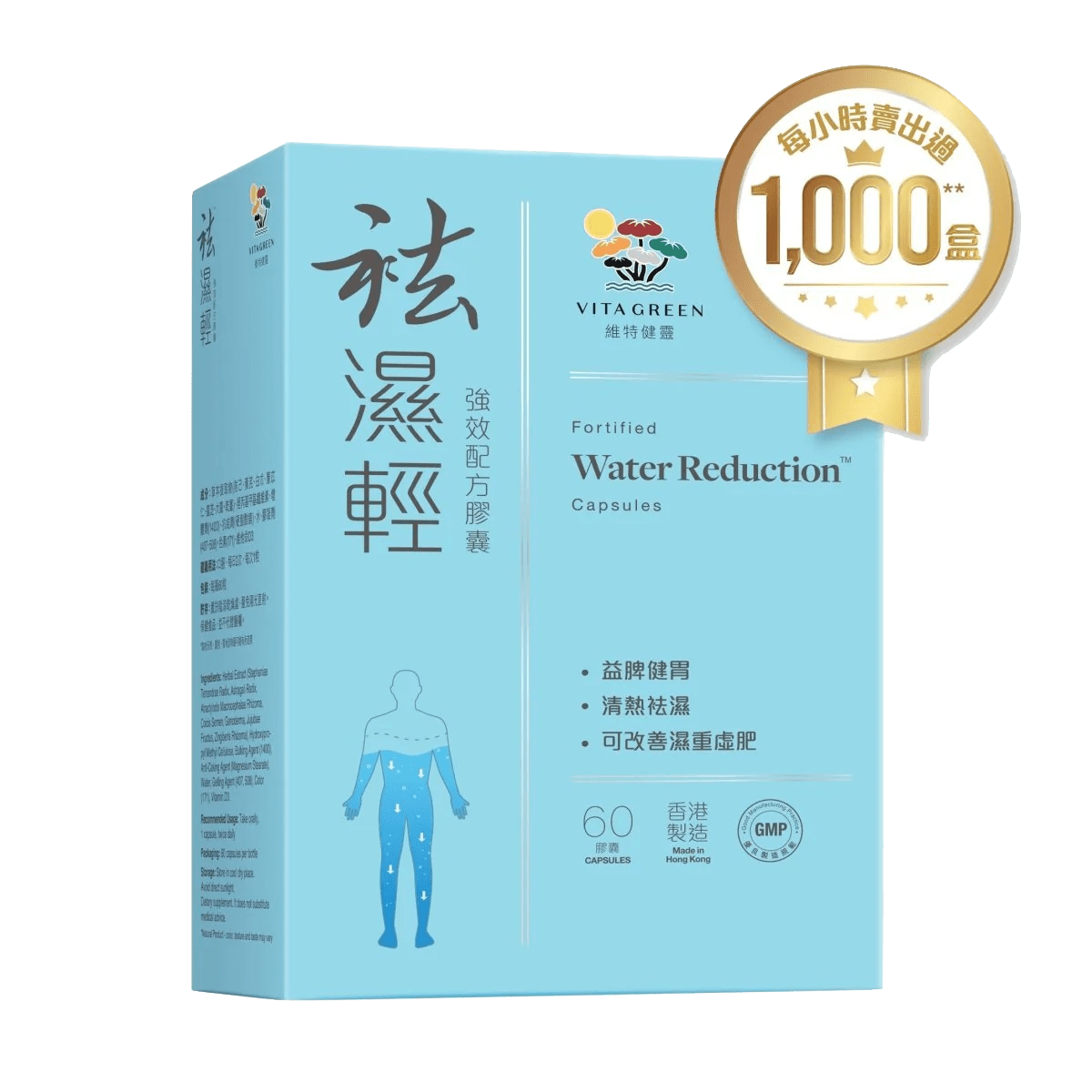
Abnormal tongue coating is often related to excessive internal dampness or imbalanced Spleen and Stomach function. "Qushi Qing" combines four herbal ingredients—Radix Stephaniae Tetrandrae (Fang Ji), Astragalus (Huang Qi), wild Lingzhi (Reishi Mushroom), and Coix Seed (Yiyi Ren)—aiming to regulate from within and help you improve tongue coating issues caused by these imbalances:
-
For "no tongue coating" (often due to Spleen and Stomach deficiency):
The Astragalus and wild Lingzhi in "Qushi Qing" can tonify Spleen Qi, help strengthen digestive system function, promote Qi and Blood generation, thereby aiding the normal growth of tongue coating. -
For "thick white tongue coating" (often due to heavy internal dampness):
Radix Stephaniae Tetrandrae and Coix Seed work together to eliminate excess dampness in the body; Astragalus strengthens the Spleen and Stomach's ability to transform and transport water and dampness, reducing dampness accumulation and helping to thin the thick, greasy tongue coating. -
For "yellowish greasy tongue coating" (often due to damp-heat trapped internally):
Coix Seed helps clear internal damp-heat, and Radix Stephaniae Tetrandrae assists in expelling dampness evil. This formula, through regulation, reduces the impact of damp-heat on the body, thereby improving a yellowish greasy tongue coating. -
For "black or gray tongue coating" (which may indicate more severe conditions such as cold-dampness accumulation):
The Astragalus and wild Lingzhi in "Qushi Qing" can support the body's vital energy and enhance Yang Qi, helping to resist and dispel deep-seated cold-dampness, thereby gradually improving these more complex tongue coating issues. -
For "pale white tongue coating" (often due to Yang deficiency with cold-dampness, Spleen and Stomach deficiency):
Astragalus can warm and tonify Spleen and Kidney Yang Qi, benefit Qi and strengthen the Spleen; wild Lingzhi boosts overall vital energy; combined with Coix Seed and Radix Stephaniae Tetrandrae to dispel cold-dampness, it helps improve cold-deficient constitutions and pale white tongue coating.
"Qushi Qing" works through the synergistic action of these four ingredients—Astragalus and wild Lingzhi primarily boost Qi and support vital energy, strengthening the Spleen and Stomach; Radix Stephaniae Tetrandrae and Coix Seed specifically focus on dispelling dampness and clearing turbidity. This dual approach helps regulate bodily functions and balance fluid metabolism, fundamentally improving various tongue coating issues caused by dampness or Spleen and Stomach weakness, allowing your tongue to return to a healthy color.